Analyzing Crack Mechanisms, Evaluation Methods, and Long-Term Durability Solutions
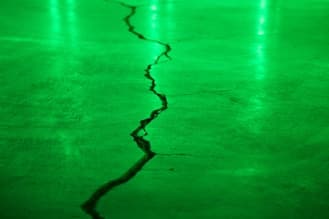
Cracking in concrete is one of the most common yet complex challenges in structural engineering. This course examines the mechanisms that lead to crack formation, exploring how material composition, environmental exposure, and construction practices affect durability and performance. Participants will gain a detailed understanding of both visible and microstructural cracking phenomena, including shrinkage, thermal, and load-induced cracks.
The program also covers advanced diagnostic and detection techniques—ranging from visual inspection to nondestructive testing methods—used to assess structural condition and predict long-term behavior. Through case studies and practical exercises, learners will learn how to classify, evaluate, and address cracks effectively across different project scales.
By the end of this course, participants will be equipped to identify the root causes of cracking, apply effective repair strategies, and develop prevention plans that enhance structural longevity and resilience.
Learning Outcomes:

Continuing Education
ArchPro Learning offers Continuing Education courses for licensed architects and design professionals across Canada. Our expert-led programs cover building codes, sustainability, ethics, and emerging technologies—supporting regulatory compliance and professional growth in architectural practice.
Jerry Luo, PhD, PE, is a licensed professional engineer in Ohio, Louisiana, and Texas, with over 15 years of diverse experience spanning higher education, research, and consulting in civil engineering and construction management. Renowned for his expertise in geotechnical engineering, he has published over 60 peer-reviewed research articles, significantly contributing to advancements in geotechnical risk assessment and infrastructure resilience. He also co-authored a widely recognized textbook on soil dynamics. Jerry has actively contributed to the global engineering community by serving on the editorial boards of multiple international journals and as a member of organizing committees for prestigious conferences. His work bridges academic excellence and industry practice, making a tangible impact on critical engineering projects. His dedication to mentorship and innovation reflects his commitment to shaping the next generation of civil engineers and advancing the profession through research, education, and practice.
