This course presents guidelines to help engineers, builders, homeowners, & designers select energy-efficient windows in new and existing residential construction in all U.S. climate zones.

Residential buildings account for about 21% of total energy consumption in the United States, and windows alone are responsible for 25%–30% of residential heating and cooling energy use. The U.S. Department of Energy estimates that upgrading the nation’s current window stock to meet DOE’s long-term performance goals could save more than 2 quadrillion Btu. Clearly, expanding the use of energy-efficient windows should be of interest to engineers and others interested in reducing energy consumption. This course presents guidelines to help engineers, builders, homeowners, and designers select energy-efficient windows in new and existing residential construction in all U.S. climate zones. It includes information about window products, attributes, and performance. It provides cost/benefit information about window energy-savings and about non-energy benefits such as thermal comfort and reduced heating, ventilation, and air conditioning demands. The guidelines also provide information about the energy impacts of design decisions such as window orientation, total glazing area, shading conditions, and about proper window installation.
Topics: Understanding measures of efficiency such as U-Factor and SHGC (solar heat gain coefficient) Learning about the concepts of visible transmittance, air leakage, and condensation resistance Understanding glazing types Learning about the effects of using low-conductance spacers and gas fills Learning about frame types Understanding the relation of energy efficient windows to energy codes Learning about energy and cost savings for new and replacement windows for various climate zones Becoming familiar with life cycle cost analysis Learning about effects of orientation, window area, and shading Understanding proper installation techniques.
Intended Audience: mechanical, civil, energy, environmental, construction, and industrial engineers. However, this course could appeal to engineers of other disciplines as well.
Publication Source: US Dept. of Energy
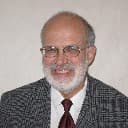
Civil Engneering faculty member for 27 years
Dr. Rossow is a graduate of the University of Michigan with B.S., M.S., and Ph.D. degrees. He is a licensed Professional Engineer in the State of Illinois. He taught civil engineering for over 35 years, including six years at Washington University in St. Louis and 29 years at Southern Illinois University Edwardsville, where he was the Chair of the Civil Engineering Department for ten years. His areas of expertise are in civil engineering and mechanics. He has consulted for various organizations, including government agencies and an international offshore drilling company. He has published numerous technical journal articles and technical reports for a variety of governmental agencies and private sector organizations. Mark P. Rossow, PE, PhD Licensed Professional Engineer in State of Illinois License No. 062.040560 Dr. Rossow is a graduate of the University of Michigan with B.S., M.S., and Ph.D. degrees. He taught civil engineering for over 35 years, including six years at Washington University in St. Louis and 29 years at Southern Illinois University Edwardsville, where he was the Chair of the Civil Engineering Department for ten years. His areas of expertise are in civil engineering and mechanics. He has consulted for various organizations, including government agencies and an international offshore drilling company. He has published many journal articles and technical reports.
