LF logo
by learnformula
search
Log in
search
Courses/Architecture/Finances

Fraud Risk, Audit, & Governance in UK Construction Projects

Understanding how financial controls, contract structures, and design decisions intersect to influence fraud risk, project integrity, and delivery outcomes.
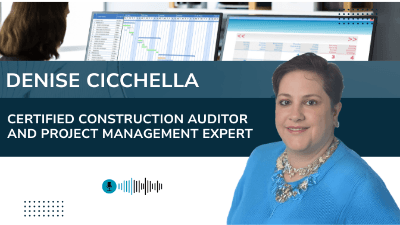
Created byDenise Cicchella
BeginnerUpdated Mar 10, 2026
Fraud Risk, Audit, & Governance in UK Construction Projects

What You'll Learn

check_circleUnderstand how design, contract, and commercial decisions influence fraud and overpayment risk.
check_circleIdentify construction fraud schemes relevant to both financial and design professionals.
check_circleAssess governance and approval breakdowns across the project lifecycle.
check_circleApply audit and review techniques to variations, valuations, and claims.
check_circleEvaluate how multidisciplinary collaboration can reduce fraud and dispute exposure.

About This Course

UK construction and capital projects operate at the intersection of commercial pressure, technical complexity, and fragmented accountability. Fraud and overpayment rarely arise from isolated misconduct alone; they are often enabled by misaligned design intent, contract structures, approval processes, and incomplete visibility across the project lifecycle.

This course examines construction fraud and audit through both a financial and built-environment lens, showing how design development, variations, valuation methods, and project controls interact with accounting, audit, and governance frameworks. It highlights where architects, designers, project managers, and finance or audit teams influence — intentionally or unintentionally — the conditions that allow fraud, error, or commercial abuse to occur.

By focusing on shared decision points rather than professional silos, the course provides practical insight into how better coordination between technical and financial disciplines can reduce disputes, prevent overpayment, and strengthen accountability across UK construction projects.

Key learning outcomes and topics:

  • Identifying prevalent construction fraud schemes, including false invoicing, inflated change orders, duplicate payments, and concealed behind-the-wall shortcuts.
  • Analyzing the unique fraud vulnerabilities inherent in various contract types, such as fixed-price, cost-plus, and time-and-material agreements.
  • Understanding the interplay and communication dynamics between architects, project managers, and contractors to prevent critical gaps in oversight.
  • Implementing effective audit and governance frameworks aligned with UK standards to strengthen accountability and transparency.
  • Applying practical internal controls, including multi-tiered approvals, fraud hotlines, and strict invoice validation techniques.
  • Navigating the high-risk areas associated with variations and change orders to prevent massive budget overruns.

Your Instructor

Denise Cicchella
Denise Cicchella

Certified Internal Auditor, Certified Fraud Examiner, Certified Construction Auditor, Project Management expert and Author

menu_book9 courses
star729 reviews

Denise has been a Certified Internal Auditor and Certified Fraud Examiner for over 20 years. She has a specialization in Construction Audit and is a management consultant, specializing in Training and Professional Development. She has authored several books including: Construction Audit Handbook: Overview, Monitoring and Auditing, Effective Auditing for Corporates, Construction Audit - Building a Solid Foundation; and Essentials of Construction Management.

Credit Information

What Students Are Saying

0.0
Student's Choice
0 reviews

Frequently Asked Questions

We are a registered provider with 327+ associations and regulatory bodies worldwide. We operate across 29 global markets including Canada, the US, Australia, and the UK. Every course page clearly displays its specific accreditations. Upon completion, you receive a professional certificate that can be validated online. Our certificates include all necessary accreditation details, credit hours, and completion dates, and are formatted specifically to meet the submission requirements of most global regulatory bodies.