Data-Driven Post-Occupancy Methods for Comfort Optimization
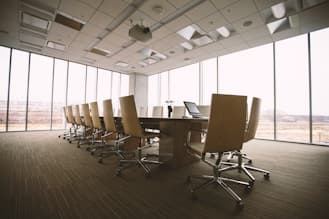
Thermal comfort in office environments significantly affects occupant satisfaction, productivity, and well-being. This course explores the findings from comprehensive post-occupancy evaluations (POE) across 64 office buildings, highlighting the interplay between indoor environmental quality (IEQ), technical building attributes, and occupant satisfaction. Participants will delve into the factors influencing thermal comfort, including temperature control, radiant asymmetry, and ventilation efficiency.
Through practical examples and data-driven insights, the course equips professionals with strategies to enhance thermal comfort in office spaces while adhering to IEQ standards.
Thermal comfort in office environments significantly affects occupant satisfaction, productivity, and well-being. This course explores the findings from comprehensive post-occupancy evaluations (POE) across 64 office buildings, highlighting the interplay between indoor environmental quality (IEQ), technical building attributes, and occupant satisfaction. Participants will delve into the factors influencing thermal comfort, including temperature control, radiant asymmetry, and ventilation efficiency.
Through practical examples and data-driven insights, the course equips professionals with strategies to enhance thermal comfort in office spaces while adhering to IEQ standards.
Key topics include:

ArchiCraft Academy specializes in continuing professional development for architectural professionals, offering a diverse range of courses focused on sustainable design, cutting-edge construction methods, and digital architecture tools. With a mission to empower architects to excel in a competitive industry, ArchiCraft combines theoretical knowledge with practical insights from experienced practitioners. Our programs cater to professionals seeking to elevate their skills and adapt to the future of architecture.
Jerry Luo, PhD, PE, is a licensed professional engineer in Ohio, Louisiana, and Texas, with over 15 years of diverse experience spanning higher education, research, and consulting in civil engineering and construction management. Renowned for his expertise in geotechnical engineering, he has published over 60 peer-reviewed research articles, significantly contributing to advancements in geotechnical risk assessment and infrastructure resilience. He also co-authored a widely recognized textbook on soil dynamics. Jerry has actively contributed to the global engineering community by serving on the editorial boards of multiple international journals and as a member of organizing committees for prestigious conferences. His work bridges academic excellence and industry practice, making a tangible impact on critical engineering projects. His dedication to mentorship and innovation reflects his commitment to shaping the next generation of civil engineers and advancing the profession through research, education, and practice.
