Master Proctor compaction tests to confidently achieve optimal soil density and stability in construction, ensuring robust foundations and infrastructure.
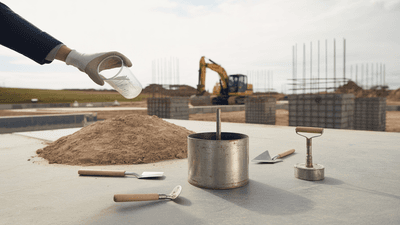
This 2‐hour course explains the purpose, procedure, and tips for performing Proctor compaction tests. The course demonstrates the importance of soil compaction, analyzes the procedure, explains the results, and provides useful tips and troubleshooting guidance.
You will gain comprehensive knowledge of how different soil properties influence compaction and learn to interpret compaction curves to determine optimal moisture content and maximum dry density. The course delves into the practical application of both standard and modified Proctor tests, highlighting their historical context and evolution with modern construction practices. Furthermore, it covers real-world challenges and solutions in achieving desired compaction in the field.
Key learning outcomes include:
By the end of this course, you will be equipped with the knowledge and practical insights to confidently manage soil compaction processes, ensuring the integrity and longevity of your construction projects.

Online Courses for Engineers
HalfMoon Education is a nonprofit continuing education provider offering live webinars and on-demand courses for engineers, architects, landscape architects, land surveyors, attorneys, paralegals, accountants and others. Since 1996, we’ve helped thousands of professionals nationwide stay current with industry standards and codes, earn CE hours, and advance their expertise through practical, expert-led learning experiences. Learn more about us at: www.halfmoonseminars.org

Branch Manager at Hillis‐Carnes Engineering Associates, Inc.
Mr. Harmanos is a professional engineer with extensive experience in subsurface exploration, soil testing, infiltration testing, geosynthetics, and seismic and advanced analysis. His expertise includes commercial, industrial, and institutional foundation design; retaining wall and steep slope design; sinkhole remediation; landfill design; site work; forensic engineering; LEED consulting; and construction quality control/assurance (CQA/QC). Mr. Harmanos is a graduate of Drexel University where he received both his B.S. and M.S. degrees in Civil Engineering (Geosynthetics and Geotechnical). Hillis‐Carnes performs geotechnical engineering consulting and laboratory testing services. Its construction services include evaluation of bearing materials, inspection of pile driving, slope inclinometer installation and monitoring, and retaining wall construction observation.
