Master data-driven spatial analysis and algorithmic tools to optimize urban planning, build sustainable cities, and elevate your architectural practice.
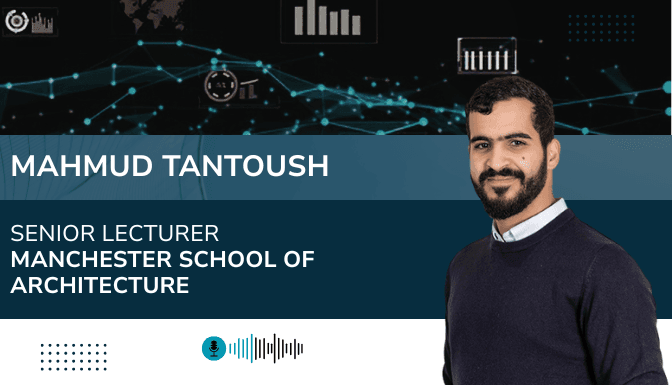
Cities are no longer static compositions—they are living, evolving systems shaped by flows of people, infrastructure, data, and environment. As urban environments become increasingly complex and data-rich, architects and urban designers are turning to computational methods to better understand and shape the forces that define them.
This session introduces urban analytics and computational design as powerful tools for evidence-based urban and architectural decision-making. Participants will explore how spatial data, digital modelling, and computational workflows can uncover hidden patterns in movement, density, land use, and social behaviour. Framed through the lens of complexity theory, the session demonstrates how cities can be understood as dynamic systems—enabling more adaptive, resilient, and responsive design strategies for the built environment.
Key Topics Discussed:
Senior Lecturer | Manchester School of Architecture
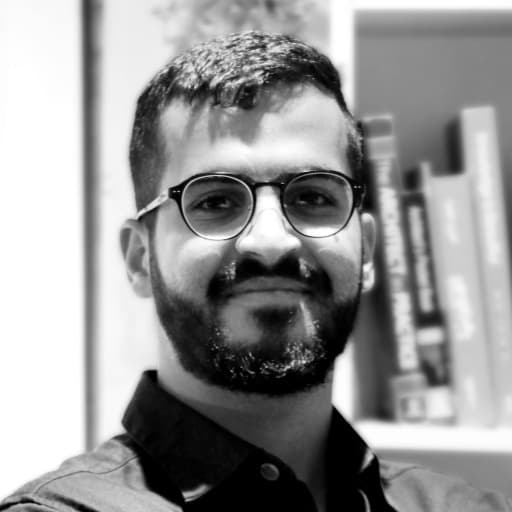
Dr Mahmud Tantoush leads the [CPU]Ai atelier, where his teaching focuses on computational design, urban analytics, and the integration of AI into design processes. With several years of experience teaching complexity-based computational approaches to architectural and urban design, he embeds his published research and theoretical contributions on sustainable futures into both teaching and supervision. He also leads the Master of Architecture (Part 2) design studio modules (Studio 1, 2 and 3), where students critically explore the future of the profession and collaborate with nationally leading practices. His research as part of the ARO/[CPU]Lab focuses on how cities can be analysed and designed in more sustainable ways, combining complexity theories and modelling towards sustainable futures using new methodologies including AI Machine Leaning and Urban Big Data. Mahmud has been involved in funded research projects funded by Horizon Europe and UKRI, and he supervises PhD students working on urban analytics and sustainable future cities.
