LF logo
by learnformula
search
Log in
search
Courses/Law/Contract Law

When Code Meets Contract: Legal Reality of Smart Contracts

Master the intersection of blockchain technology and traditional law to ensure your smart contracts are legally binding, compliant, and enforceable in the real world.
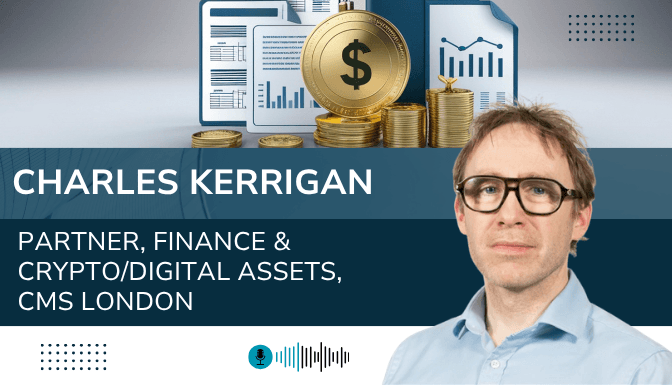
Created byCharles Kerrigan
BeginnerUpdated Apr 19, 2026
When Code Meets Contract: Legal Reality of Smart Contracts

What You'll Learn

check_circleDistinguish between the engineering perspective of code as a state machine and the legal perspective of smart contracts as enforceable agreements.
check_circleAnalyze the lifecycle of a smart contract, from design and coding to testing, deployment, and operational governance.
check_circleIdentify the legal and technical risks associated with autonomous systems, including oracle failures and logic bugs.
check_circleApply governance strategies to manage the interaction between AI, smart contracts, and existing regulatory perimeters.

About This Course

The course, "When Code Meets Contract: The Legal Reality of Smart Contracts," presented by Charles Kerrigan, explores the evolving role of lawyers in an increasingly automated economy. It examines how smart contracts and artificial intelligence intersect with traditional legal frameworks, emphasizing that lawyers are not being replaced by automation but are instead shifting toward roles in governance and architecture.

The presentation details the practical engineering cycles of building smart contracts and provides strategies for lawyers to provide oversight throughout the deployment and operational phases of these technologies.

Course Topics

  • Perspectives on Smart Contracts: Analyzing the distinction between the engineering view of self-executing code as a state machine and the legal requirement for enforceable, court-recognized obligations.
  • Engineering Design and Build Cycles: Understanding the four critical design questions regarding authority, condition satisfaction through oracles, error management, and immutability.
  • Technical and Legal Failure Models: Mapping technical issues, such as logic bugs and data errors, to legal failures like the misalignment of party intentions.
  • Financial and Commercial Use Cases: Examining the application of smart contracts in stablecoin transfers, tokenization of collateral, electronic trade documents, and parametric insurance.
  • Common Law Adaptability: Evaluating how existing legal frameworks for contract formation, interpretation, and remedies apply to natural language, code-only, or hybrid contract models.
  • The Machine Economy: Assessing the future role of lawyers in managing autonomous systems where AI and smart contracts overlap, focusing on authority and legal personality.
  • Operational Governance Frameworks: Detailing lawyer-led oversight during deployment, including release discipline, pause and override protocols, third-party data management, and recordkeeping.
  • Regulatory Perimeters: Identifying mandatory legal obligations related to data, finance, and horizontal AI laws, such as the EU AI Act, that apply to automated systems.

Your Instructor

Charles Kerrigan
Charles Kerrigan

Partner | CMS UK

menu_book1 courses

Charles Kerrigan is a partner in the Finance Team and part of the specialist Crypto and Digital Assets Team at CMS London specialising in emerging technologies including crypto, digital assets, decentralised finance and AI. He works on corporate finance and venture capital transactions in crypto, tokenisation, NFTs, Web3 and DeFi. Charles is part of teams working on investing and setting standards for emtech in the UK, Europe and the US. He works on consulting projects on blockchain and AI for public bodies, policy makers, standards institutions, and corporations. He has worked on transactions worth over $5bn funding fintech platforms; on over 65 NFT projects; for more than 250 cryptoasset clients; including global exchanges, blockchain gaming and play-to-earn projects, DeFi and Web3 platforms; crypto and digital assets investment & M&A; tokenisation projects for debt, equity and alternative assets. The Blockchain Industry Landscape Overview 2018 names Charles as "one of the UK’s leading influencers on blockchain". He is the UK’s “recommended lawyer” for blockchain and digital technology in the UK Parliament Hub.

Credit Information

What Students Are Saying

0.0
Student's Choice
0 reviews

Frequently Asked Questions

We are a registered provider with 327+ associations and regulatory bodies worldwide. We operate across 29 global markets including Canada, the US, Australia, and the UK. Every course page clearly displays its specific accreditations. Upon completion, you receive a professional certificate that can be validated online. Our certificates include all necessary accreditation details, credit hours, and completion dates, and are formatted specifically to meet the submission requirements of most global regulatory bodies.