LF logo
by learnformula
search
LearnFormula BusinessLog in
search
Courses/Architecture/Diversity Equity and Inclusion

Architecture & Human Rights: Professional Responsibilities

Learn how spatial design impacts global human dignity and master the legal, ethical, and professional duties required to build a more just world.
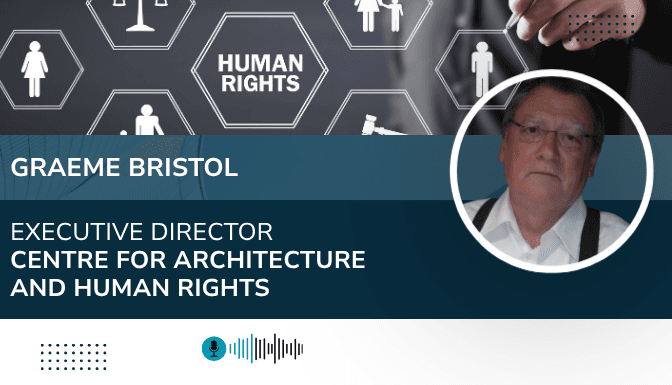
Created byGraeme Bristol
Editor's Score ·5.0/5BeginnerUpdated Aug 26, 2026
Architecture & Human Rights: Professional Responsibilities

What You'll Learn

check_circleUnderstand the relationship between architecture, development, and human rights
check_circleAssess how design decisions can influence housing, accessibility, participation, and inclusion
check_circleEvaluate the ethical responsibilities of architects beyond regulatory compliance
check_circleIdentify human rights considerations relevant to contemporary architectural practice
check_circleApply rights-based principles to project planning, engagement, and design processes

About This Course

Architecture has a profound influence on how people live, work, participate in society, and access essential services. Yet discussions about professional responsibility are often framed around building performance, safety, sustainability, and regulatory compliance, with less attention given to the human rights implications of design and development decisions. Increasingly, however, architects are being called upon to consider how their work affects issues such as housing, accessibility, cultural identity, inclusion, displacement, and community participation.

International frameworks, including the right to adequate housing, Indigenous rights, cultural rights, environmental rights, and principles of inclusive development, are reshaping expectations of the built environment professions. While architects are not legal experts or policymakers, their decisions can directly influence whether communities are included or excluded, whether heritage and cultural identity are protected, and whether development contributes positively to human wellbeing and social equity.

This session examines architecture through a human rights lens and explores how rights-based thinking can inform professional practice. Participants will consider the relationship between architecture, ethics, housing, participation, accessibility, and community development, while gaining practical insight into how human rights principles can influence design processes, stakeholder engagement, and project outcomes. The course challenges traditional assumptions about the role of architects and considers how the profession can contribute to more equitable and inclusive built environments.

Key Topics Discussed:

  • What is a rights-based approach to architecture?
  • The right to housing and the built environment
  • Participation and community engagement in design
  • Accessibility, inclusion, and universal access
  • Indigenous rights and the design process
  • Cultural rights, heritage, and identity
  • Forced displacement and development pressures
  • Environmental rights and healthy communities
  • Ethics, professional responsibility, and architectural practice
  • Human rights considerations in urban development
  • Lessons from international and community-based projects

Your Instructor

Graeme Bristol
Graeme Bristol

Executive Director at Centre for Architecture and Human Rights

menu_book1 courses

Graeme Bristol, a Canadian architect, is the founder and executive director of the Centre for Architecture and Human Rights, an international foundation advancing a rights-based approach to development in the practice of architecture through ongoing demonstration projects, research and education programmes. He holds a Masters in architecture from the University of British Columbia and a Masters in human rights law from Queen’s University Belfast.

Credit Information

What Students Are Saying

0.0
Student's Choice
0 reviews

Frequently Asked Questions

We are a registered provider with 327+ associations and regulatory bodies worldwide. We operate across 29 global markets including Canada, the US, Australia, and the UK. Every course page clearly displays its specific accreditations. Upon completion, you receive a professional certificate that can be validated online. Our certificates include all necessary accreditation details, credit hours, and completion dates, and are formatted specifically to meet the submission requirements of most global regulatory bodies.

You May Also Like

Architecture: RIBA: Health, Safety and Wellbeing

Safety Isn't An Add-On: Blueprint for Design Risk Management

star5.0(11)
1.5 CPD hrs
Architecture: Design

AI-Driven Generative Design for Structural Optimization

star5.0(6)
1 CPD hr
Architecture: RIBA: Sustainable Architecture

Demonstrating the Value of Sustainability in Architecture

star5.0(3)
1 CPD hr