Engineering Principles for Ground-Bearing Capacity
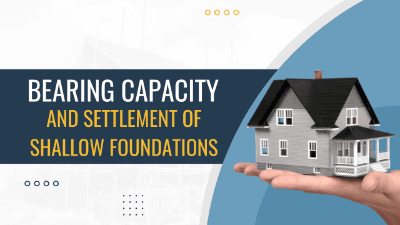
This course provides an in-depth exploration of shallow foundation design and analysis, focusing on the principles of ground-bearing capacity and settlement considerations. Participants will learn about the theoretical and practical aspects of bearing capacity analysis, foundation settlement, and the effects of various factors such as footing shape, load inclination, and groundwater table on foundation design. The course is designed for civil engineering professionals and students seeking to enhance their understanding of geotechnical engineering principles related to shallow foundations.
Topics discussed:
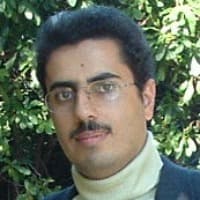
Dr. Rayhani is a Professor of Geotechnical Engineering and the director of Geo-engineering Research Group at Carleton University. His research areas include innovative foundation systems, soil and foundation improvement solutions for seismic resistant design, foundation design in permafrost, and geotechnical aspects of landfill design. He holds a Ph.D. degree in Geotechnical Engineering from the University of Western Ontario and he is the author of over 50 publications in different areas of geo-engineering. Dr. Rayhani is a member of CGS, OGG, ASCE, ISMFE, and a Registered Professional Engineer in the Province of Ontario. He has been involved in many engineering projects around the world and has experience in foundation investigation and design, landfill barrier systems, embankment dams and slope stability.

HOST
I have over a decade of multimedia experience as a desktop publisher, Livestream producer, PA announcer, webcast director, professor, emcee, and more. I am a radio broadcasting graduate with additional coursework in political science and journalism. I gained critical knowledge while shadowing veteran broadcasters. I have extensive training in creative writing, current affairs, freelancing, and story structure. I have crafted current affairs interviews with Justin Trudeau, Romeo Dallaire, Ed the Sock, Kenny and Spenny, and Mike MacDonald. I love working as a creative storyteller and having conversations with people from all walks of life. My goal is to connect with diverse voices and to foster discussions on complex issues while striving to make the conversations as accessible and inclusive as possible.
