LF logo
by learnformula
search
Log in
search
Courses/Engineering/Ecological Engineering

Beavers, Ecological Restoration, and Climate Resilience

Unlock climate resilience and revitalized ecosystems by understanding beaver ecology, their landscape engineering, and effective management strategies for a sustainable future.
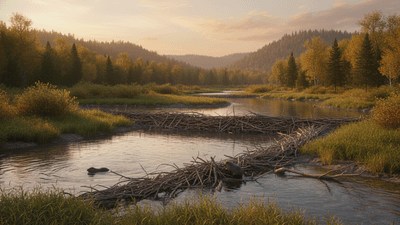
Created byHalfMoon Educationworkspace_premium
5.0
(13 reviews)
BeginnerUpdated Nov 28, 2025
Beavers, Ecological Restoration, and Climate Resilience

What You'll Learn

check_circleDescribe historic/current beaver populations.
check_circleExplain landscape engineering by beavers.
check_circleIdentify beaver management techniques.
check_circleConnect beavers to climate resilience.
check_circleAnalyze beaver ecosystem services and value.

About This Course

Explore the transformative power of beavers in shaping ecosystems and bolstering climate resilience in this insightful course, "Beavers, Ecological Restoration, and Climate Resilience."

Join Dr. Emily Fairfax as she unveils the multifaceted impact of these natural engineers, whose historic populations once numbered in the hundreds of millions across North America. This course offers a comprehensive look at how beavers are not just returning to their ancestral lands but are actively reshaping degraded river systems, offering solutions to some of today's most pressing environmental challenges.

Through a blend of remote sensing, modeling, and fieldwork, you will learn to:

  • **Understand Beaver Population Dynamics**: Trace the fascinating history of beaver populations, from their pre-fur trade abundance to their near extinction and remarkable comeback, recognizing their widespread presence across diverse landscapes, from deserts to urban centers.
  • **Explain Beaver Engineering and River Restoration**: Delve into the intricate ways beavers engineer their environment by building dams and canals, and how these natural processes perfectly align with and even enhance human-driven river restoration efforts.
  • **Master Beaver Management Techniques**: Discover a range of lethal and non-lethal management strategies employed to coexist with beavers, including pond levelers, tree wrapping, culvert protection, and responsible relocation practices.
  • **Connect Beaver Engineering to Climate Resilience**: Explore the critical role beavers play in mitigating the effects of drought, floods, and wildfires. Understand how their "slow water" approach creates verdant, fire-resistant oases in burn-scarred landscapes, buffers against flood damage, and replenishes groundwater supplies.
  • **Recognize the Economic Value of Beavers**: Quantify the immense economic and ecological benefits that beavers provide, from carbon sequestration and water purification to enhanced biodiversity and recreational opportunities, tallying up to hundreds of thousands of dollars in ecosystem services per square mile annually.

Whether you are a land manager, environmental professional, or simply curious about the natural world, this course will equip you with a profound understanding of how planning for beavers in your watershed is not just a possibility, but a vital strategy for fostering healthier, more resilient ecosystems in the face of a changing climate.

Your Instructors

HalfMoon Education
HalfMoon Education

Online Courses for Engineers

menu_book128 courses
star792 reviews

HalfMoon Education is a nonprofit continuing education provider offering live webinars and on-demand courses for engineers, architects, landscape architects, land surveyors, attorneys, paralegals, accountants and others. Since 1996, we’ve helped thousands of professionals nationwide stay current with industry standards and codes, earn CE hours, and advance their expertise through practical, expert-led learning experiences. Learn more about us at: www.halfmoonseminars.org
Dr. Emily  Fairfax
Dr. Emily Fairfax

Assistant Professor of Geography at the University of Minnesota

Dr. Fairfax double majored in Chemistry and Physics as an undergraduate at Carleton College, then went on to earn a PhD in Geological Sciences with an emphasis in Hydrologic Sciences from the University of Colorado Boulder. She uses a combination of remote sensing, modeling, and field work to understand how beaver ecosystem engineering can create drought and fire-resistant patches in the landscape under a changing climate. Her research has been featured internationally in National Geographic, The New York Times, the LA Times, BBC, Vox, and others. When Dr. Fairfax says she can talk about beavers all day, she’s not kidding.

Credit Information

What Students Are Saying

5.0
Student's Choice
13 reviews

Frequently Asked Questions

We are a registered provider with 327+ associations and regulatory bodies worldwide. We operate across 29 global markets including Canada, the US, Australia, and the UK. Every course page clearly displays its specific accreditations. Upon completion, you receive a professional certificate that can be validated online. Our certificates include all necessary accreditation details, credit hours, and completion dates, and are formatted specifically to meet the submission requirements of most global regulatory bodies.