This course describes how local governments can achieve multiple benefits by improving the energy efficiency of their new, existing, & renovated facilities and their day-to-day operations.

This online engineering PDH course describes how local governments can achieve multiple benefits by improving the energy efficiency of their new, existing, and renovated facilities and their day-to-day operations. Saving energy through energy efficiency improvements can be more cost effective than generating, transmitting, and distributing additional energy from power plants. Energy efficiency also helps reduce air pollution and greenhouse gas (GHG) emissions, and improves energy security and independence. This course describes strategies for developing and implementing energy efficiency programs and gives actual examples of communities in which similar programs have been successfully introduced.
Topics: Improving energy efficiency in existing and new local government facilities Assessing baseline energy performance Setting goals Creating an action plan Implementing the action plan Evaluating progress Recognizing benefits of green buildings Case studies
Intended Audience: This course is intended for civil, electrical, environmental, mechanical, and municipal engineers concerned with reducing the environmental impact of their local government through the introduction of sustainable technologies.
Publication Source: This course is based on the Environmental Protection Agency document, “Energy Efficiency in Local Government Operations, A Guide to Developing and Implementing Greenhouse Gas Reduction Programs” 2011, from the EPA’s Local Government Climate and Energy Strategy Series.
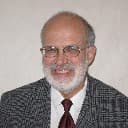
Civil Engneering faculty member for 27 years
Dr. Rossow is a graduate of the University of Michigan with B.S., M.S., and Ph.D. degrees. He is a licensed Professional Engineer in the State of Illinois. He taught civil engineering for over 35 years, including six years at Washington University in St. Louis and 29 years at Southern Illinois University Edwardsville, where he was the Chair of the Civil Engineering Department for ten years. His areas of expertise are in civil engineering and mechanics. He has consulted for various organizations, including government agencies and an international offshore drilling company. He has published numerous technical journal articles and technical reports for a variety of governmental agencies and private sector organizations. Mark P. Rossow, PE, PhD Licensed Professional Engineer in State of Illinois License No. 062.040560 Dr. Rossow is a graduate of the University of Michigan with B.S., M.S., and Ph.D. degrees. He taught civil engineering for over 35 years, including six years at Washington University in St. Louis and 29 years at Southern Illinois University Edwardsville, where he was the Chair of the Civil Engineering Department for ten years. His areas of expertise are in civil engineering and mechanics. He has consulted for various organizations, including government agencies and an international offshore drilling company. He has published many journal articles and technical reports.
