LF logo
by learnformula
search
Log in
search
Courses/Architecture/Urbanism

Flow and Form: Rethinking Architecture in Urban Contexts

Designing Fluid and Dynamic Urban Spaces through Architectural Integration.
Created byProArchitect Academy
4.7
(9 reviews)
BeginnerUpdated Oct 8, 2024
Flow and Form: Rethinking Architecture in Urban Contexts

What You'll Learn

check_circleDefine fluidity in architectural design and explain its role in creating dynamic urban spaces.
check_circleAnalyze the impact of permeability and open boundaries on spatial experience in urban contexts.
check_circleApply techniques for designing adaptable spaces that respond to urban dynamics.
check_circleDevelop interdisciplinary approaches to integrate social, ecological, and architectural elements into fluid design.
check_circleEvaluate design solutions for continuity, permeability, and interaction in urban layouts.
check_circleCreate architectural spaces that foster social connectivity and support urban movement flows.

About This Course

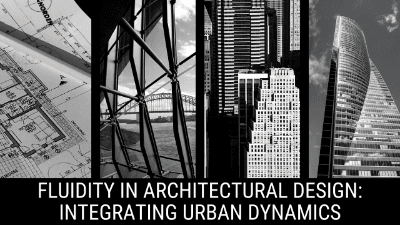
This course delves into the concept of fluidity in architectural design, focusing on integrating urban dynamics into built environments. Exploring principles such as adaptability, permeability, and seamless transitions, learners will study how fluidity transforms traditional architectural boundaries. Using an interdisciplinary approach, this course covers methodologies that make architectural spaces feel open, connected, and responsive to urban flows and movements. Ideal for architects, urban planners, and designers, this course equips participants with strategies to design spaces that reflect the continuous variability of modern urban environments, enhancing spatial continuity and social connectivity.

Key Areas Covered:

  • Fluidity in Urban and Architectural Contexts: Understand how fluidity redefines urban spaces as dynamic, interconnected systems.
  • Dynamic Systems and Adaptability: Learn strategies for designing adaptable spaces that respond to changing urban needs.
  • Techniques for Permeability and Openness: Practical tools for creating transparent and porous boundaries in urban spaces.
  • Interdisciplinary Design Approaches: Explore design frameworks integrating architectural, sociological, and ecological perspectives.

Your Instructor

ProArchitect Academy
menu_book36 courses
star1,704 reviews

At ProArchitect Academy, we specialize in providing advanced CPD engineering courses tailored for architectural professionals seeking to enhance their technical skills and maintain industry compliance. With a focus on both intermediate and expert-level content, we empower architects and engineers with cutting-edge knowledge in structural design, sustainability, and modern construction technologies. Our courses are developed by industry leaders with decades of experience, ensuring that every learning experience is practical, relevant, and applicable to real-world challenges. As a trusted institution, we are committed to fostering continuous professional growth, innovation, and excellence in the architectural engineering field. Whether you’re looking to stay ahead of the latest trends, refine your technical skills, or gain certification, ProArchitect Academy offers a pathway to success for professionals committed to their craft.

Credit Information

What Students Are Saying

4.7
Student's Choice
9 reviews

Frequently Asked Questions

We are a registered provider with 327+ associations and regulatory bodies worldwide. We operate across 29 global markets including Canada, the US, Australia, and the UK. Every course page clearly displays its specific accreditations. Upon completion, you receive a professional certificate that can be validated online. Our certificates include all necessary accreditation details, credit hours, and completion dates, and are formatted specifically to meet the submission requirements of most global regulatory bodies.