LF logo
by learnformula
search
Log in
search
Courses/Engineering/Ecological Engineering

How to Create Pollinator Habitat

Transform your garden into a thriving ecosystem! Learn to design, plant, and maintain diverse habitats that attract and sustain vital pollinators.
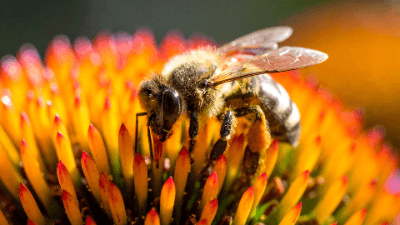
Created byHalfMoon Educationworkspace_premium
4.7
(26 reviews)
BeginnerUpdated Oct 20, 2025
How to Create Pollinator Habitat

What You'll Learn

check_circleIdentify diverse pollinator species and their unique needs.
check_circleDesign landscapes to support a variety of bees and other pollinators.
check_circleSelect native plants that provide year-round nectar and pollen.
check_circleImplement sustainable practices to protect pollinator habitats.
check_circleDiscuss the importance of different nesting sites for bees.
check_circleEvaluate plant choices for maximum pollinator attraction.

About This Course

Unlock the secrets to fostering thriving ecosystems with "How to Create Pollinator Habitat." This comprehensive course, presented by Denise Ellsworth, delves into the critical world of pollinators, focusing on bees, and equips you with the knowledge and practical skills to design and implement effective pollinator habitats.

Pollinator populations are facing significant declines due to various stressors, including habitat loss, pesticide use, and climate change. This course highlights the urgent need for action and empowers you to be a part of the solution by creating resilient and biodiverse landscapes.

You will learn to:

  • Understand pollinator biology and identification, with a special emphasis on diverse bee species.
  • Identify the specific needs of pollinators, including their dietary requirements (pollen and nectar) and nesting preferences.
  • Recognize the broader ecological benefits of pollinator habitats, extending to birds and other beneficial creatures.
  • Explore flower selection strategies, including diversity, abundance, native vs. non-native choices, and seasonality, to ensure year-round bloom.
  • Differentiate between social, ground-nesting solitary, and tunnel-nesting solitary bees, and tailor habitat creation to their unique life cycles.
  • Apply principles of pollinator-friendly landscape design, from selecting single-form flowers to incorporating keystone native plants like oaks and willows.
  • Identify and protect natural nesting sites, moving beyond bee hotels to embrace more sustainable habitat solutions.
  • Reduce or eliminate pesticide use to safeguard pollinator health.
  • Access valuable resources for plant selection and spreading awareness within your community.

Whether you're a seasoned gardener, a landscape designer, or simply passionate about environmental conservation, this course provides the essential tools to create vibrant, life-sustaining habitats that will attract and support a wide array of pollinators and contribute to a healthier planet. Begin your journey to transform your outdoor spaces into bustling havens for these vital creatures.

Your Instructors

HalfMoon Education
HalfMoon Education

Online Courses for Engineers

menu_book128 courses
star792 reviews

HalfMoon Education is a nonprofit continuing education provider offering live webinars and on-demand courses for engineers, architects, landscape architects, land surveyors, attorneys, paralegals, accountants and others. Since 1996, we’ve helped thousands of professionals nationwide stay current with industry standards and codes, earn CE hours, and advance their expertise through practical, expert-led learning experiences. Learn more about us at: www.halfmoonseminars.org
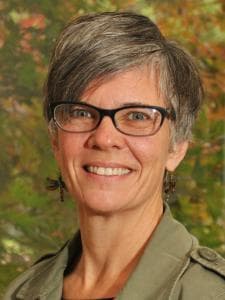
Denise Ellsworth
Denise Ellsworth

Program Director, Pollinator Education with the Department of Entomology/Extension at The Ohio State University

Ms. Ellsworth directs the honey bee and native pollinator education program through The Ohio State University Department of Entomology on the Wooster campus. In this outreach position, she supports and teaches beekeepers, farmers, gardeners and others across the state through a variety of workshops, webinars, written materials and electronic resources. Ms. Ellsworth has bachelor of science and master of science degrees from The Ohio State University. Her areas of emphasis are in bee health, integrated pest management, pollinator identification, conservation and habitat enhancement, plant and insect phenology, adult education and citizen science

Credit Information

What Students Are Saying

4.7
Student's Choice
26 reviews

Frequently Asked Questions

We are a registered provider with 327+ associations and regulatory bodies worldwide. We operate across 29 global markets including Canada, the US, Australia, and the UK. Every course page clearly displays its specific accreditations. Upon completion, you receive a professional certificate that can be validated online. Our certificates include all necessary accreditation details, credit hours, and completion dates, and are formatted specifically to meet the submission requirements of most global regulatory bodies.