Cultivate thriving urban forests by understanding trees' innate needs, designing with nature, and navigating challenges from soil to policy for long-term health and community benefits.
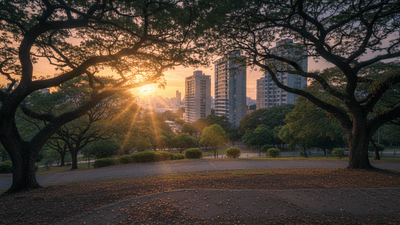
Explore "The Urban Forest: Challenges and Opportunities" and gain a comprehensive understanding of the complexities and vital importance of urban trees. This course, led by board-certified master arborist John Palmer, delves into the critical differences between natural and urban forest ecosystems, highlighting the unique environmental challenges faced by trees in populated areas.
You will learn the scientific principles behind tree growth, soil health, and water management, and discover how human activities inadvertently impact tree vitality. The course emphasizes the profound benefits of urban trees for human health, community well-being, and environmental sustainability, equipping you with compelling evidence to advocate for their preservation.
Key learning outcomes include:
Through engaging discussion, real-world examples, and a scientific lens, this course empowers participants to make informed decisions that foster resilient, thriving urban forests for future generations.

Online Courses for Engineers
HalfMoon Education is a nonprofit continuing education provider offering live webinars and on-demand courses for engineers, architects, landscape architects, land surveyors, attorneys, paralegals, accountants and others. Since 1996, we’ve helped thousands of professionals nationwide stay current with industry standards and codes, earn CE hours, and advance their expertise through practical, expert-led learning experiences. Learn more about us at: www.halfmoonseminars.org
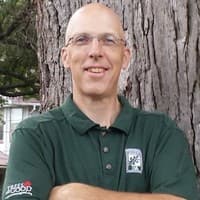
ISA Board Certified Master Arborist (#OH 6319B); ISA Tree Risk Assessment Qualified (TRAQ); Consultant, Lecturer, Author and Trainer
Mr. Palmer is a Board Certified Master Arborist® and Tree Risk Assessment Qualified by the International Society of Arboriculture, and a Consulting Arborist. He was the owner of a premium services landscaping company for 20 years. Mr. Palmer’s focus is on trees in urban and construction environments, soil deficiencies and the importance of soils for sustainable mature trees, increasing urban tree canopies by ensuring trees live to maturity, and unsustainable landscape designs. He does tree assessments for individuals, commercial clients, law firms, insurance companies, municipalities, landscape architecture firms, parks and woodland management agencies, and he has assessed and evaluated thousands of individual trees in the past decade.
